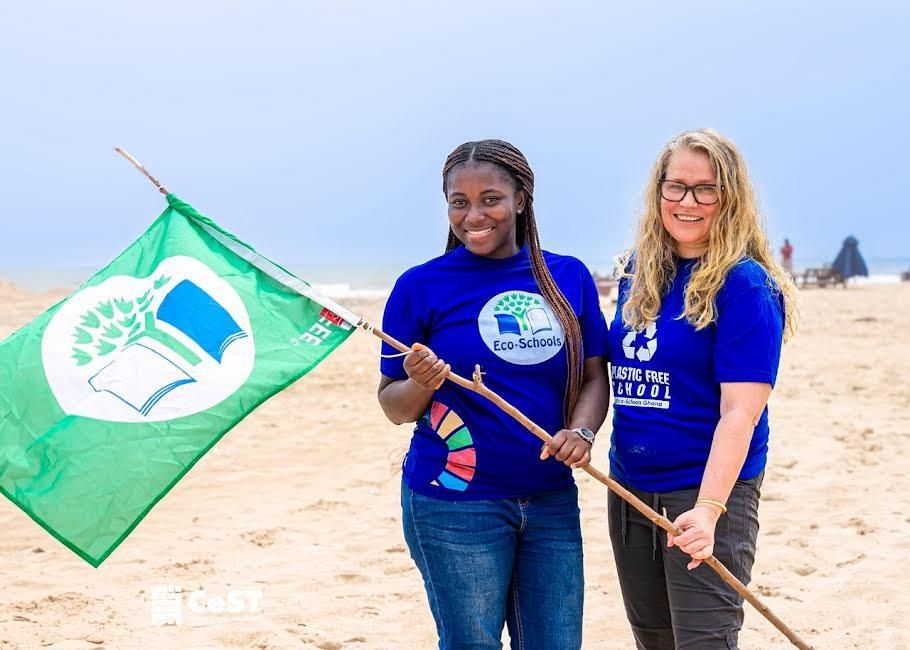
By Jacklyn Bentsil Aquaye | Photo Isaac Apare
Introduction/Objectives of the Marine Litter & Microplastics Project
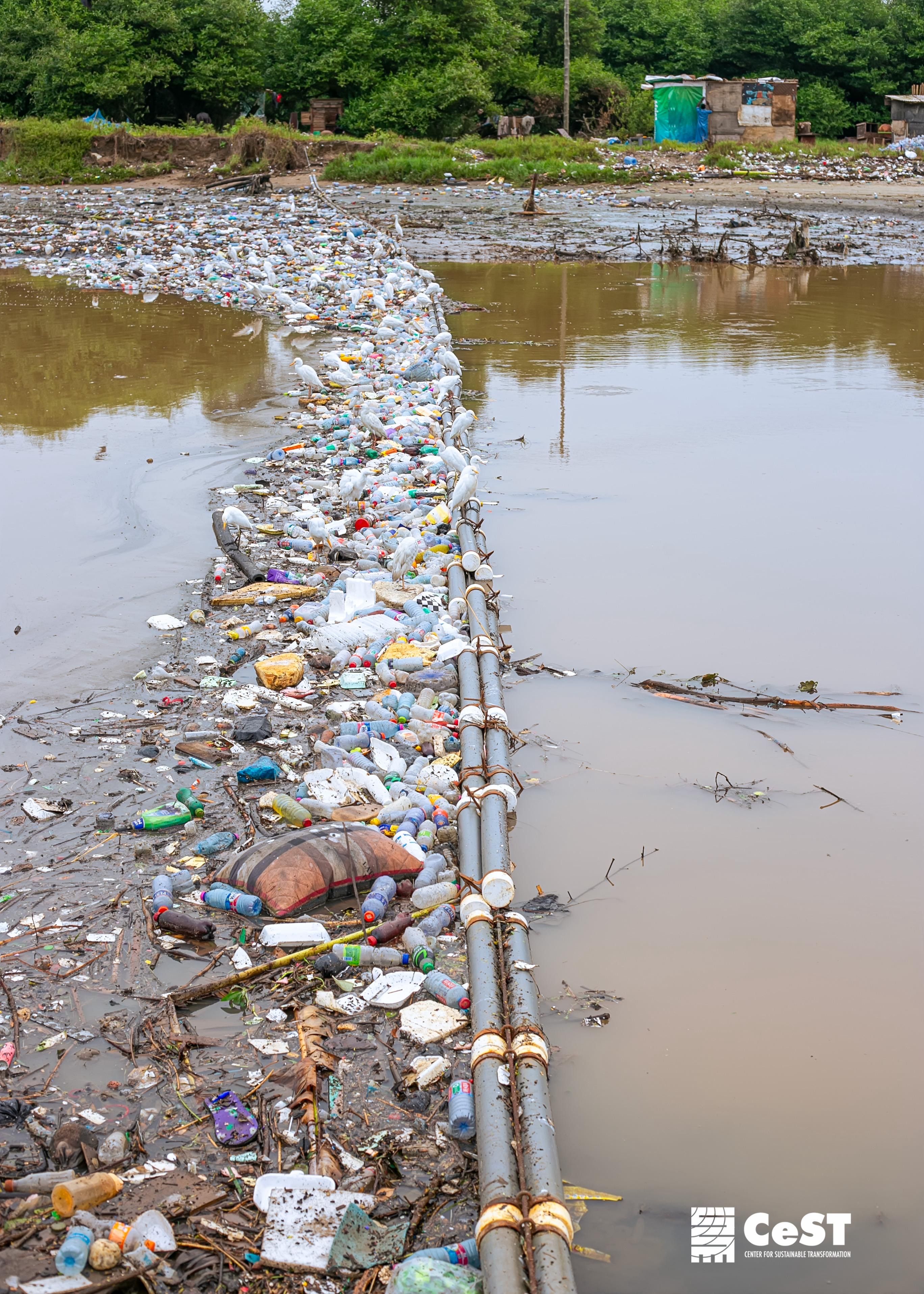
Plastic pollution, especially in the form of marine litter and microplastics, has become a major concern around the world. On 2nd March 2022, 175 countries came together at the UN Environment Assembly and agreed on a resolution to end plastic pollution.
In response to this global effort, the project titled “Marine Litter and Microplastics: Promoting the Environmentally Sound Management of Plastic Wastes and Achieving the Prevention and Minimization of the Generation of Plastic Wastes” was introduced in Ghana, Bangladesh, and Sri Lanka, as well as at other regional and global levels. The project is funded by the Norwegian Agency for Development Cooperation (Norad) and coordinated by the Secretariat of the Basel, Rotterdam, and Stockholm (BRS) Conventions, in close partnership with Ghana’s Ministry of Environment, Science and Technology (MEST).
Under the Marine Litter and Microplastics Project, the Centre for Sustainable Transformation (CeST), a Ghanaian NGO focused on education for sustainable development, and operators of the Foundation for Environmental Education’s globally recognized programs – Eco-Schools and Young Reporters for the Environment Programs in Ghana, was selected by MEST to implement the Plastic-free Pilot Phase 1 in 2023 which saw the selection of Accra Technical Training Centre, and St. John Bosco Basic School Tema.
For Phase 2 of the pilot, which would run from June to December 2025, two schools in Accra – Kinbu Technical Senior High School and Achimota Anglican School have been chosen by the School Health Education Directorate of the Ghana Education Service (GES) to participate in the pilot.
Scope of the Project / Implementation Methodology
The National Plastics Management Policy (NPMP) highlights the importance of involving young people in addressing plastic pollution, recognizing their ability to influence behavior and drive lasting change. As part of this effort, the NPMP aims to develop a school curriculum and supporting infrastructure that incorporates plastic waste management into both primary and secondary education. This approach ensures that students are equipped with the knowledge, skills, and mindset to become active change agents within their communities.
To support this goal, the project adopts the Eco-Schools Seven-Step Methodology, which is being implemented by the Centre for Sustainable Transformation (CeST) in collaboration with the project coordinating consultant for MEST. The Eco-Schools framework provides a practical structure for weaving environmental education, sustainable practices, and student-led initiatives into the daily life of schools. It emphasizes plastic waste minimization through hands-on, project-based learning.
As part of this approach, the pilot includes a series of engaging and educational activities. One key component is a training workshop for teachers, focusing on understanding the plastic problem, its environmental impacts, and how to implement practical solutions within the school setting.
The pilot also explores key global concepts such as the circular economy and the Sustainable Development Goals (SDGs), helping students relate their local actions to broader environmental goals. CeST integrates tools from its Young Reporters for the Environment (YRE) program, introducing article writing and photo workshops. These activities help students learn how to communicate environmental issues effectively, raise awareness, and inspire change. Schools also work on developing their own "Declare Actions", outlining specific steps they will take to reduce plastic waste in their environment.
An essential part of the pilot is CeST’s partnership with Trashy Bags Africa, a social enterprise focused on upcycling plastic waste. The company buys back collected sachet water bags from the participating schools and welcomes students for educational tours of their facility. These visits offer real-life inspiration and demonstrate how a circular economy can work in practice turning waste into useful products and livelihoods.
Through this multi-layered approach, the project not only educates but empowers students and teachers to become leaders in the fight against plastic pollution, helping to lay the foundation for a cleaner, more sustainable future.
Summary of Phase 1 of the Project
Phase 1 of the project marked a significant step forward in Ghana’s efforts to promote environmental sustainability through education. Designed to address the growing issue of plastic pollution, the pilot project focused on empowering students and schools to take practical, meaningful action. It demonstrated the power of education to drive change—by combining environmental learning with hands-on experiences and community involvement.
Implementation began with introductory meetings in the selected schools to introduce the project and confirm their participation. This was followed by an introductory workshop and a perception survey conducted among stakeholders to assess their views and expectations.
At Accra Technical Training Centre (ATTC), students were introduced to the Youth 2030 Cities Program, supported by UN-Habitat in partnership with Fondation Botnar’s Healthy Cities for Adolescents (HCA) program. The project also brought in the Young Reporters for the Environment (YRE) National Competition, encouraging students to document environmental issues and solutions through journalism and photography.
A wide range of interactive activities were held, including an exhibition by Trashy Bags Africa and a tailor-made drama performance by the Theatre Department of the University of Ghana, emphasizing the importance of reducing, reusing, and recycling plastic. Students took part in practical sessions, such as collecting and sorting sachet water bags to better understand the process and value of waste segregation.
To foster school ownership and leadership, each school formed an Eco-Committee, which played a key role in electing Eco-School Ambassadors—guided by the values of the Youth 2030 Cities Program. With mentorship from facilitators, students also developed a comprehensive School Action Plan to outline their steps toward reducing plastic waste.
As part of experiential learning, students visited the Plastic Upcycling Facility run by Trashy Bags Africa, providing real-life insight into how waste can be turned into useful products. Each school also organized a Plastic-Free School Awareness Campaign, including a community awareness march to educate the public on the dangers of single-use plastics and the importance of sustainable alternatives.
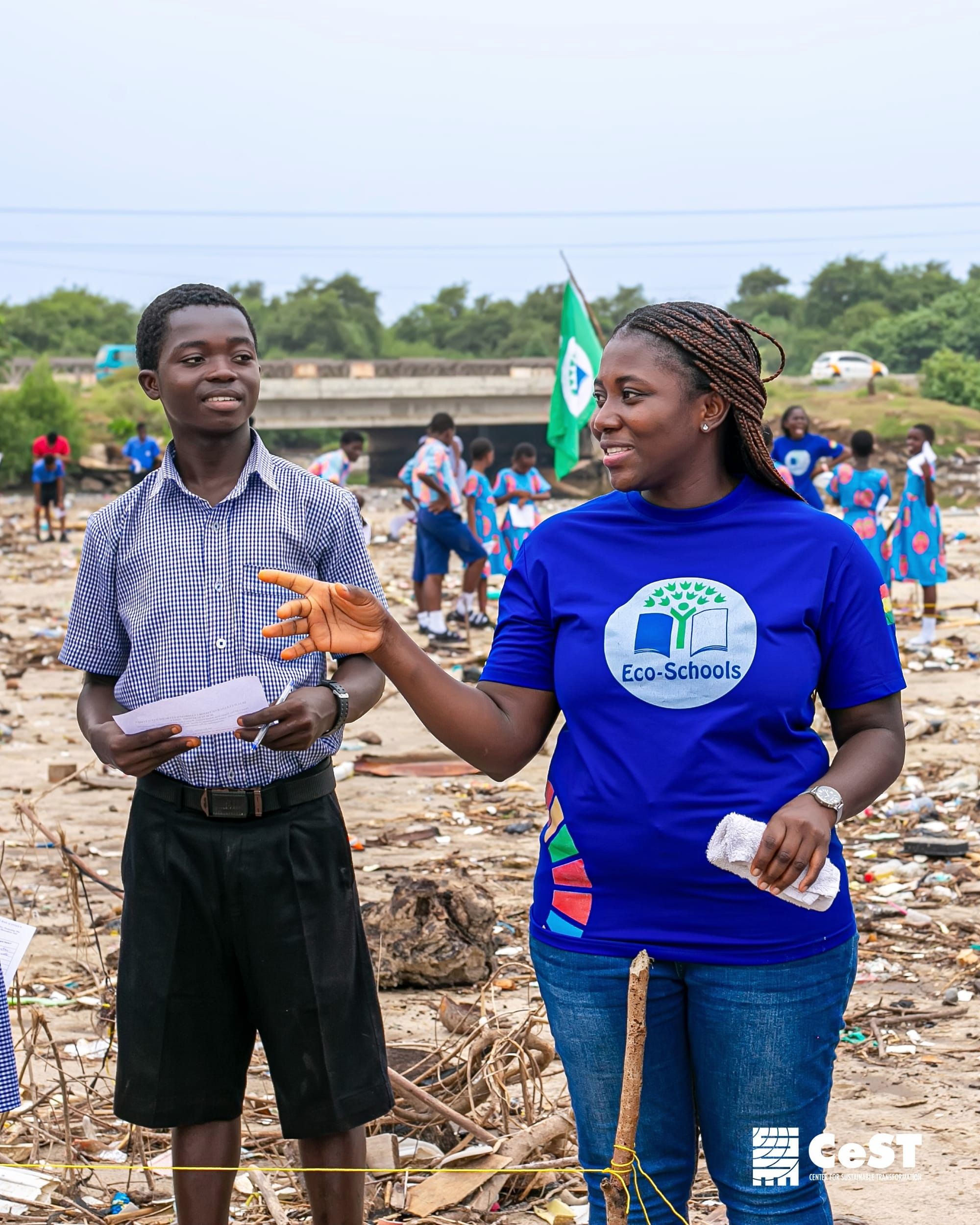
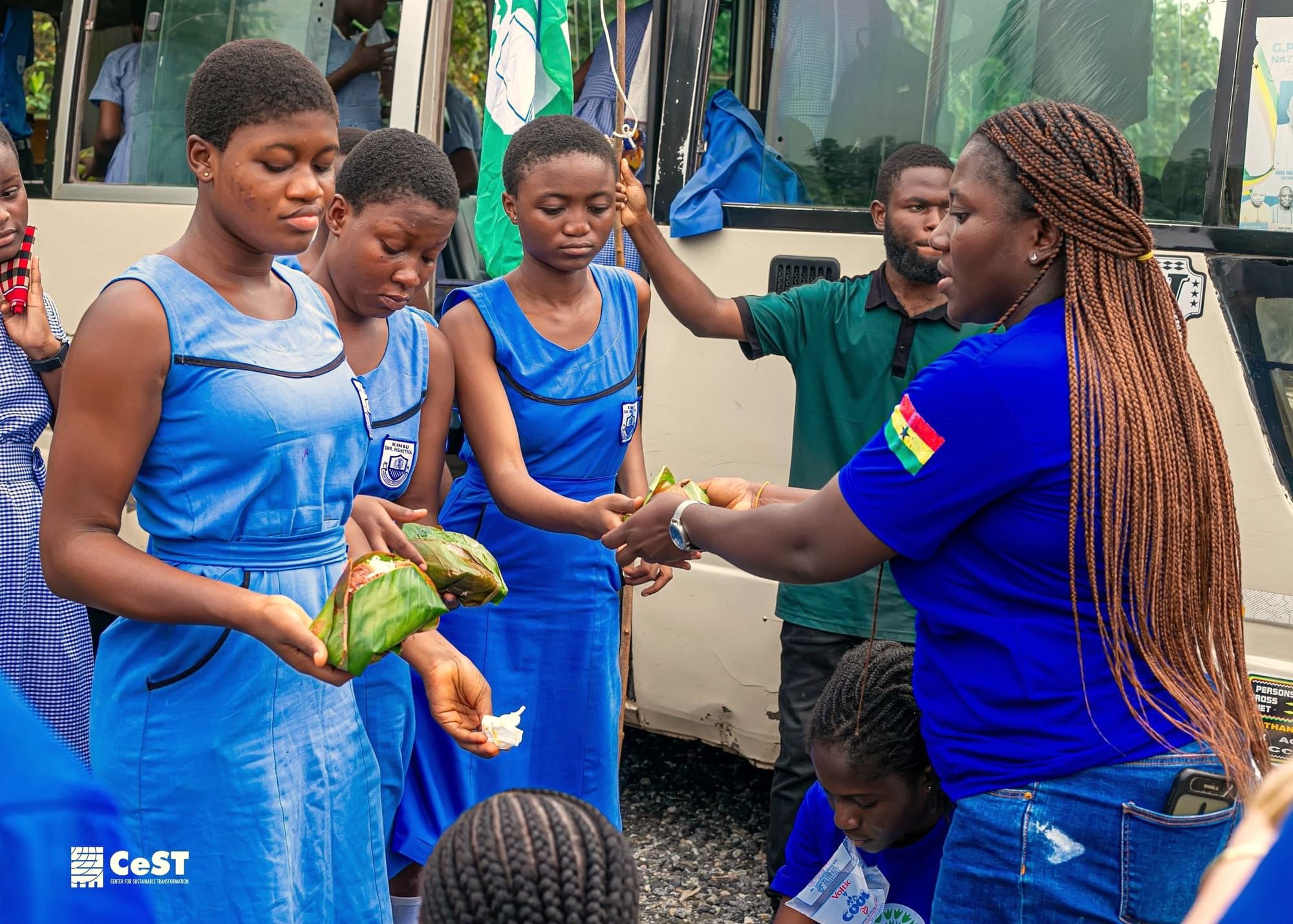
The campaign was a major feature of Plastic-Free School Week, which ended with a joint beach clean-up exercise. During the clean-up, participants were served a plastic-free meal, reinforcing the message of sustainable living. The program climaxed with creative and celebratory events such as a plastic fashion walk, article writing workshops, drama presentations, cultural performances, and a photo exhibition curated by Alexander Nerlieir.
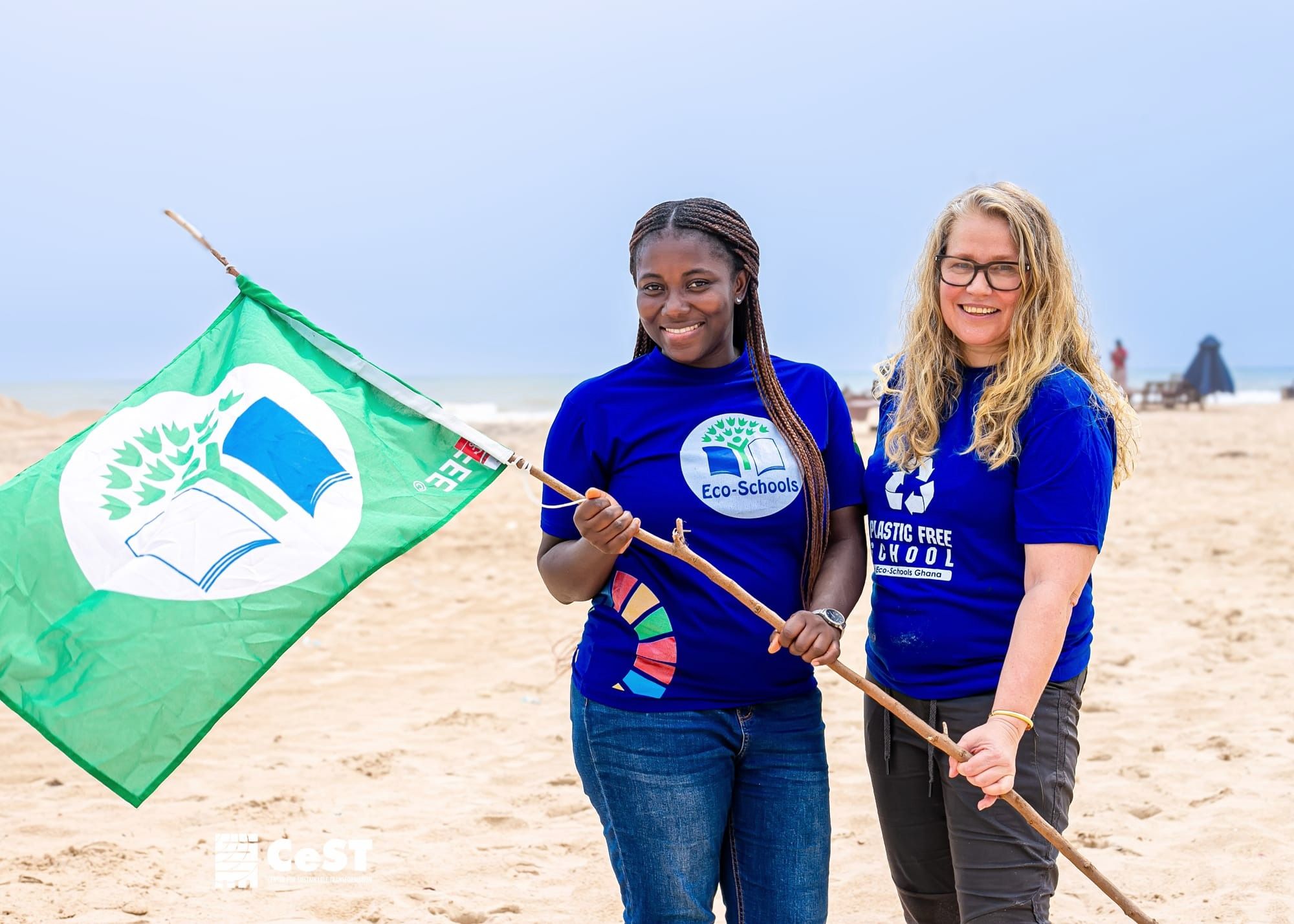
In recognition of outstanding participation, awards were given to students and individuals who demonstrated exceptional leadership and commitment. Having completed all seven steps of the Eco-Schools methodology, both participating schools were proudly awarded the prestigious Green Flag.
The impact of the pilot was clear. Local authorities expressed interest in having the same program replicated in their constituencies, a testament to how transformative project-based learning can be. The pilot empowered students to take environmental action, combining education, practical experience, and community engagement to fight plastic waste.
Among the key lessons learned in Phase 1 is the importance of strong partnerships. The active involvement of organizations like Trashy Bags Africa and other partners played a vital role in the success of the project. In addition, engaging parents and the local community proved essential in building broad support and ensuring that the program’s impact extended beyond the school environment.
Another major takeaway is the power of practical learning. Activities such as plastic waste collection and separation, visits to recycling and upcycling facilities, and exhibitions had a deep impact on students. These hands-on experiences significantly improved their understanding of the circular economy and the value of responsible waste management. By connecting theory with real-life action, students were able to internalize the importance of sustainability and see themselves as part of the solution.
The success of this initiative at St. John Bosco Basic School and ATTC proves that when young people are equipped with knowledge and supported by their schools and communities, they can lead the charge in creating cleaner, greener environments. It is hoped that this model will inspire other schools across Ghana to join the movement for plastic-free, sustainable futures.
Status of Phase 2 of the Project
The Plastic-Free School Project Phase 2 officially commenced in June 2025, reaffirming a strong commitment to promoting environmentally sound plastic waste management in schools. This phase is being implemented in partnership with the CHEPS Coordinator under the Ghana Education Service (GES) responsible for selecting the beneficiary schools, the Ministry of Environment, Science and Technology (MEST).
For this phase, Kinbu Technical Senior High School and Achimota Anglican Primary and Junior High School were selected to benefit from the initiative.
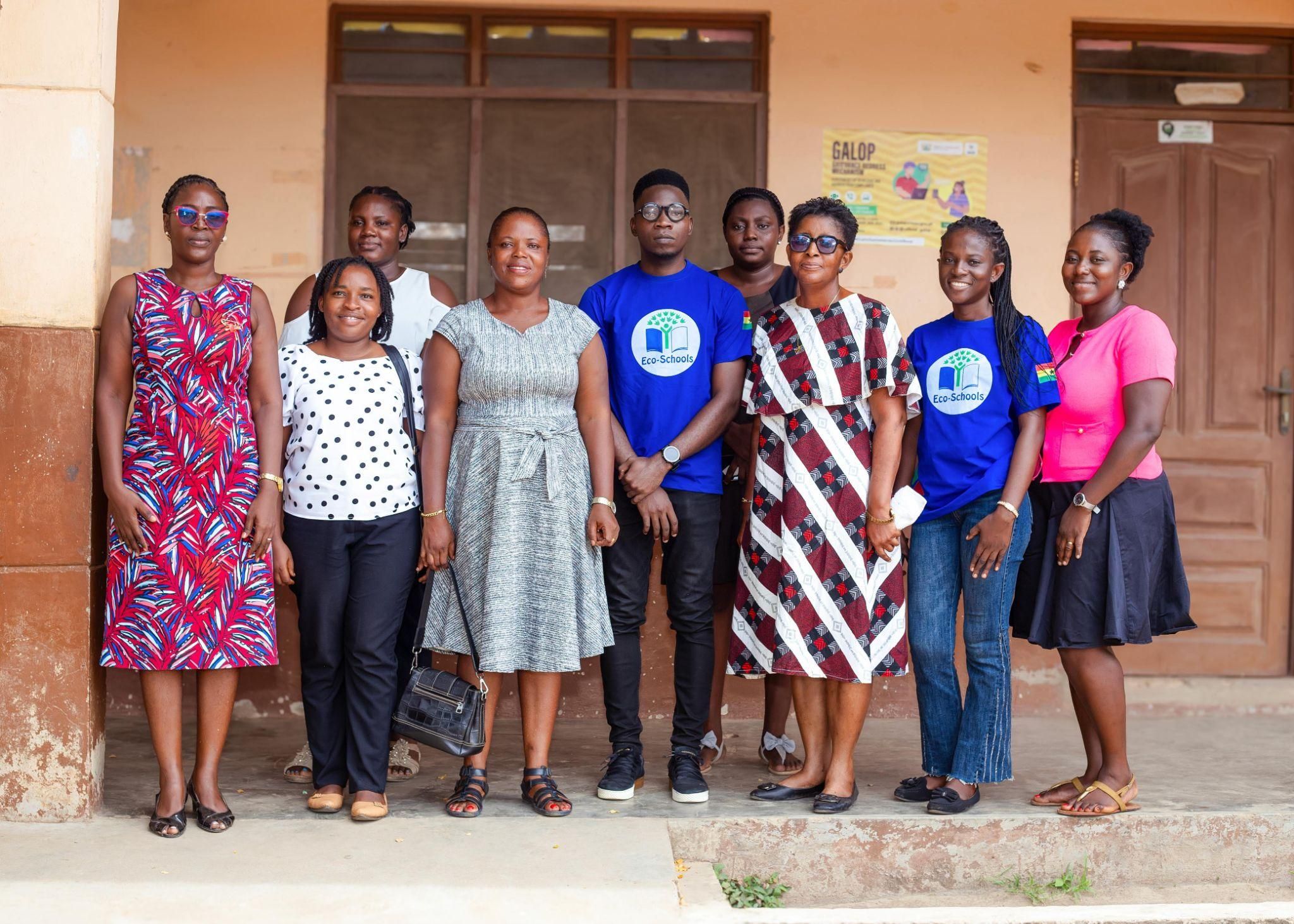
The project began with introductory meetings with the heads of both schools to formally inform them of their selection and to explain the scope and expectations of the project. At Achimota Anglican Primary and JHS, the CeST team met with the headteacher, the district CHEPS Coordinator, and a school representative to discuss the school’s involvement and readiness.
On 27th June 2025, an inception and training workshop was held at Achimota Anglican School. The session was facilitated by the team from the Centre for Sustainable Transformation (CeST), along with Mr. Michael, a representative from MEST. During the session, teachers were introduced to CeST, the implementing body for the pilot phase known for its focus on Education for Sustainable Development (ESD) through its international flagship programs: Eco-Schools and Young Reporters for the Environment (YRE).
The workshop included an in-depth session on the Sustainable Development Goals (SDGs), with a focus on SDG 4.7 (education for sustainable development) and SDG 14.1 (reducing marine pollution). Facilitators emphasized the interlinkages among the SDGs and introduced the concept of shifting from a linear economy to a circular economy. Teachers learned about the process of “taking, making, distributing, reusing, selectively disposing, and recycling” as a way to close the loop and minimize plastic waste sustainably.
Teachers were encouraged to view themselves not only as educators but also as agents of community transformation. Examples from Phase 1 were shared to illustrate how other schools successfully implemented similar projects and took ownership of the process. The Eco-Schools Seven-Step Methodology was introduced and explained in detail. These steps include: forming an Eco-Committee, conducting an environmental review (with a focus on plastic waste), developing an Action Plan, monitoring and evaluation, curriculum integration, information dissemination and community involvement, and creating an Eco-Code. Facilitators also discussed how each step would be practically applied, supported by real-life examples.
During the session, the teachers were introduced to key project partners, including Trashy Bags Africa—a local social enterprise that transforms plastic waste into reusable products and the Young Reporters for the Environment (YRE), who will capture visual content such as photos and videos for the project. Plans were shared for student engagement in activities such as photo workshops, article writing, beach clean-ups, media outreach, sports events linked to SDG goals, and a visit to the Trashy Bags factory, where students will gain hands-on insight into the circular economy in action.
A special event, “Plastic-Free Day,” is also scheduled, where teachers and students will be encouraged to eliminate the use of plastic on school premises to promote sustainable habits.
Students at Achimota Anglican were engaged in a separate interactive session. They were introduced to the goals of the project and took part in a presentation by Trashy Bags Africa, which highlighted their work and the upcoming factory visit. To better understand the current level of awareness and knowledge, a baseline survey was conducted among both students and teachers.
As part of the rollout, an Eco-Committee composed of teachers was established to lead the coordination of student activities and ensure the smooth implementation of the Plastic-Free School Project at the school level.
In summary, Phase 2 of the Plastic-Free School Project has successfully begun at Kinbu Technical Senior High School and Achimota Anglican Primary and JHS. The collaborative efforts of CeST, GES, MESTI, and school stakeholders have laid a strong foundation for long-term behavior change, environmental education, and sustainability both within the school and the wider community.
Activities Being Featured in the Pilot
Under the theme "Marine Litter and Microplastics: Promoting the Environmentally Sound Management of Plastic Wastes and Achieving the Prevention and Minimization of the Generation of Plastic Wastes," Phase Two of this transformative project is unfolding with renewed momentum, strong student leadership, and deeper community engagement.
The journey begins with a Pre-Meeting at the School, where the project team engages with school heads, teachers, and key local stakeholders to align on the project’s goals and expectations. This crucial first step helps establish a shared understanding and ensures full commitment to the implementation process.
Following this, an Introduction Workshop will be held alongside the Administration of a Perception Survey among school stakeholders. The workshop will open with welcoming remarks and a keynote address to inspire participants and underscore the urgent need to tackle plastic pollution. Attendees will then be introduced to the core components of the initiative, including the Youth 2030 Cities Program, the Young Reporters for the Environment (YRE) National Competition, and the Eco-Schools Seven-Step Methodology, which provides the foundation for practical action and behavior change.
An engaging exhibition by Trashy Bags Africa will follow, demonstrating how plastic waste can be creatively repurposed into useful products. Additionally, a Tailor-Made Drama Performance will bring to life the real-world impacts of plastic pollution, using storytelling to encourage students to adopt sustainable behaviors.
The learning will continue through an interactive session called ‘Learning by Doing’, where students will participate in the hands-on collection and separation of sachet water bags on school grounds. This activity connects classroom knowledge to real environmental challenges, making the problem of plastic waste tangible and personal.
To promote long-term sustainability, each school will form an Eco-Committee—a dedicated group of students and teachers responsible for leading environmental activities. From this group, students will elect Eco-Ambassadors (Earth Champions) who will serve as peer leaders. With the guidance of facilitators, these students will collaborate to draft a comprehensive School Action Plan, detailing how they intend to reduce plastic use and promote a cleaner, greener school environment.
Involving the broader school community is also a priority. A Meeting with the Parents Association will be organized to share the project’s objectives, encourage family involvement, and gain their support.
As part of their experiential learning, students will embark on a visit to the Trashy Bags Africa Plastic Upcycling Facility. This off-campus activity will expose them to real-life applications of the circular economy and inspire innovation in waste management.
The awareness campaign continues with a Plastic-Free School Awareness March, where students will walk through their local communities to educate others about the harmful effects of single-use plastics and promote eco-friendly alternatives. This public outreach will culminate in a Joint Beach Clean-Up and Citizen Science Exercise, where students will actively clean marine spaces while collecting data on the types of waste they encounter. To reinforce the project’s sustainability goals, participants will be served a plastic-free meal during the clean-up event.
The pilot will conclude with a special Climax Event that highlights all key moments and achievements. This final event will include a summary of the activities, a curated Photo Exhibition showcasing impactful moments throughout the project, and an Award Ceremony to recognize students and individuals who demonstrated exceptional leadership, creativity, and commitment to environmental stewardship.
Conclusion
The Plastic-Free School Project stands as a powerful example of how environmental education, when combined with hands-on learning and strong community partnerships, can ignite lasting change. By engaging students, teachers, parents, and local stakeholders, the project fosters a deeper understanding of plastic waste issues while empowering young people to take meaningful action. As the second phase unfolds with renewed energy and purpose, it holds the promise of inspiring a new generation of environmentally conscious leaders committed to creating cleaner, and more sustainable communities across Ghana.